
Top 13 Luke Wilson Movies, Ranked
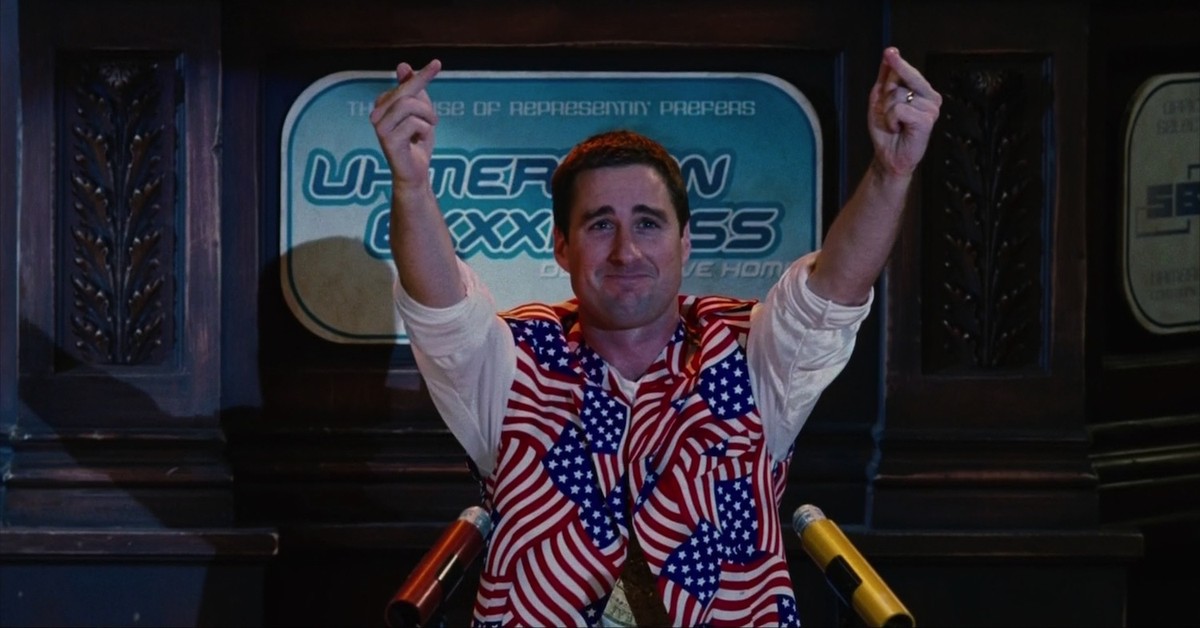
There’s a specific kind of actor Hollywood doesn’t quite know what to do with: the guy who makes everything feel effortless and somehow gets underestimated for it. Luke Wilson has spent three decades being that guy, and the TV Hulk team thinks it’s past time someone made the case for just how good he actually is. These performances are ranked based on how much Wilson’s specific presence shaped the movie around him — the moments where his timing, his stillness, or his quietly expressive face made you feel something you weren’t expecting. From cult classics to blockbuster comedies to dramatic surprises, here are his thirteen best.
13. Concussion (2015)
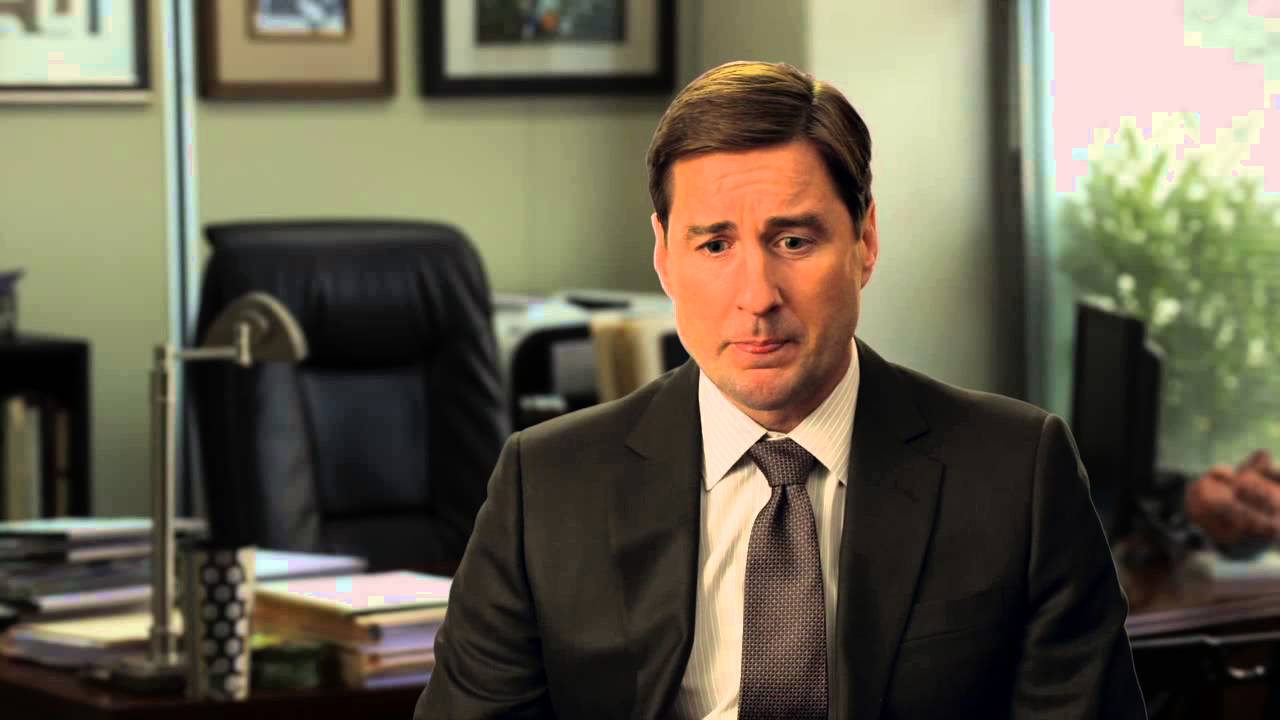
Roger Goodell isn’t a flashy role, but Wilson makes smart choices with it. As the NFL Commissioner standing in the way of Will Smith’s Dr. Bennet Omalu, Wilson plays Goodell with a particular kind of polished evasiveness: the smile that doesn’t quite reach the eyes, the measured corporate language that says nothing while meaning everything. There’s a scene where Goodell addresses the growing controversy and Wilson delivers the deflection with such practiced ease that you instantly understand the institutional wall Omalu is running into. It’s a supporting part in a high-profile drama, and Wilson doesn’t try to steal it. He just fills the space with exactly the right amount of slippery authority.
12. The Charlie’s Angels Franchise (2000–2003)
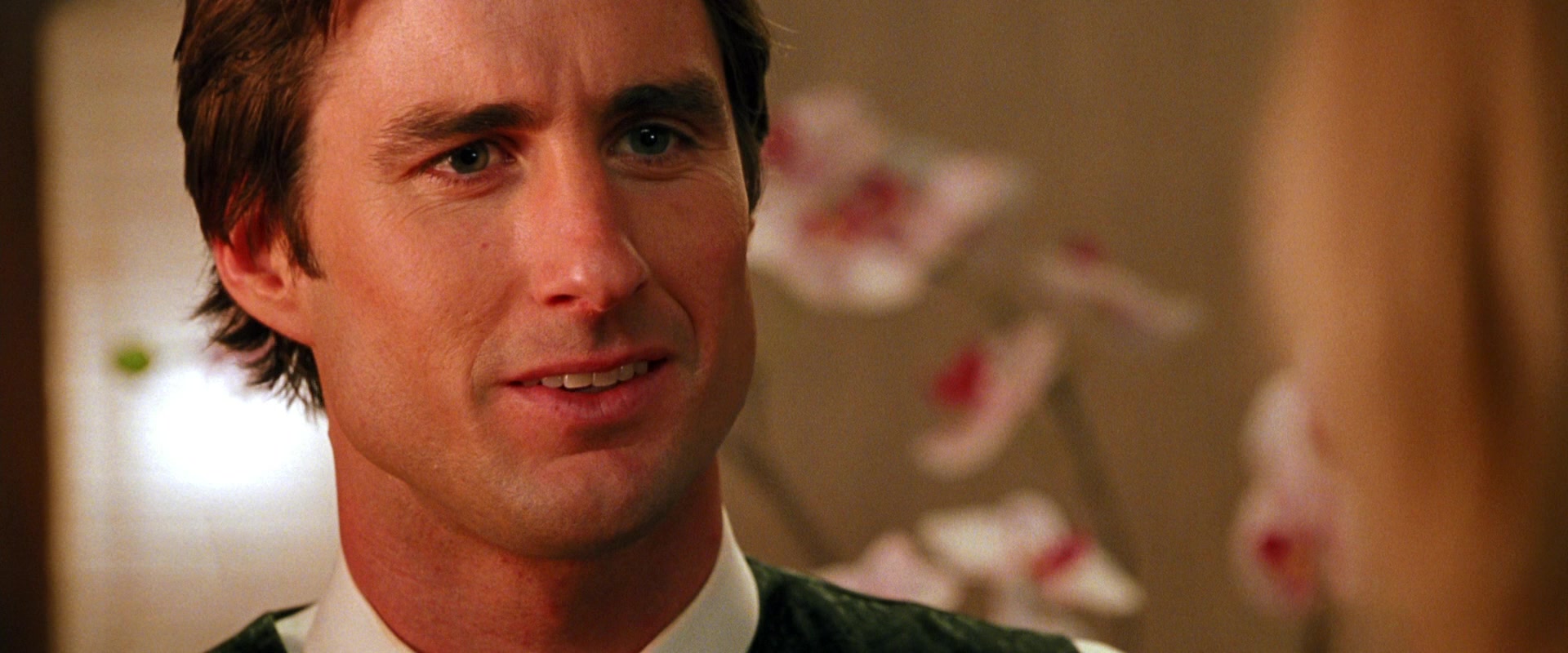
Pete Komisky doesn’t get a lot to do across either film, and Wilson knows it, so he leans into the role’s breezy warmth rather than fighting for screen time he was never going to get. As Cameron Diaz’s sweet, slightly clueless boyfriend, he brings a loose, likable energy that fits the franchise’s candy-colored chaos perfectly. In the first film, the moment where Pete realizes his girlfriend might be more than she seems plays entirely on Wilson’s face, and he gets a genuine laugh out of it without overselling the reaction. Both films combined for over $520 million worldwide, and being the romantic anchor of one of the biggest action-comedy franchises of the early 2000s is a perfectly respectable place to land.
11. 12 Mighty Orphans (2021)
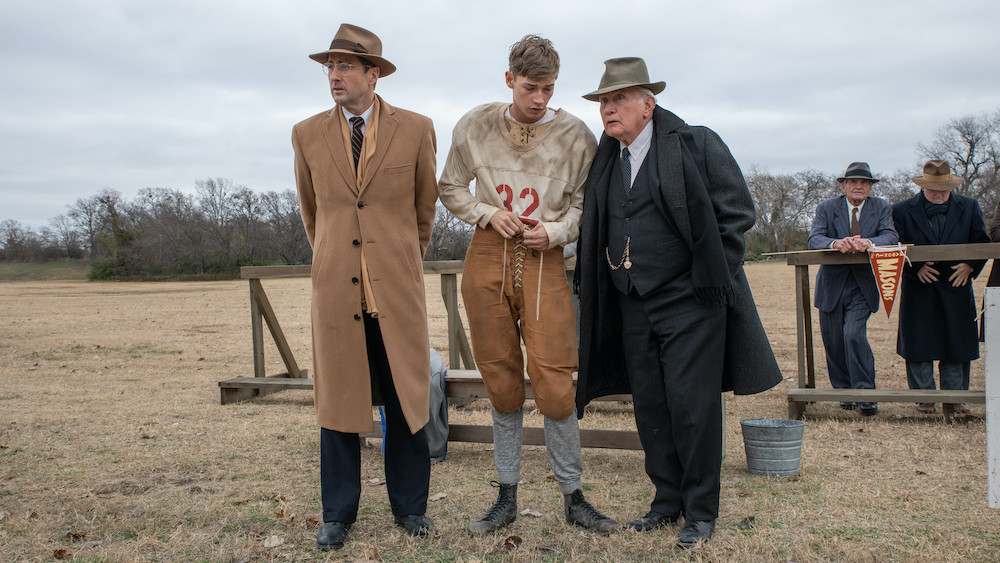
Rusty Russell is the kind of role that could easily tip into inspirational-sports-movie cliché, and Wilson keeps it grounded by playing the conviction quietly. His Rusty doesn’t give thunderous locker room speeches; he earns trust through small moments, like the scene where he looks at a group of malnourished orphans on a practice field and you can see him calculating not just the football problem but the human one. Alongside Martin Sheen, Wilson anchors the film’s emotional core with a steady, unhurried sincerity. It’s a Depression-era story about a coach who turned Fort Worth’s Masonic Home boys into a football powerhouse, and Wilson makes you believe in Rusty’s mission without ever pushing too hard.
10. Meadowland (2015)
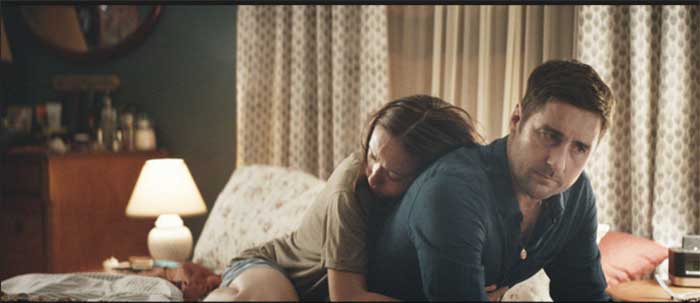
This is Wilson at his most stripped-down. Phil is a father undone by grief: his young son goes missing and the loss hollows him out in ways that Wilson plays without any of the charm he usually brings as a safety net. There are moments where Phil drifts into quietly desperate behavior he has no healthy reason to be engaging in, and Wilson holds the silence long enough that you feel the full weight of a man who has stopped making decisions based on what’s good for him. Opposite Olivia Wilde, who is equally raw, Wilson finds a register he rarely gets to explore — and if you haven’t seen this one yet, clear an evening, because it will genuinely surprise you.
9. Middle Men (2009)
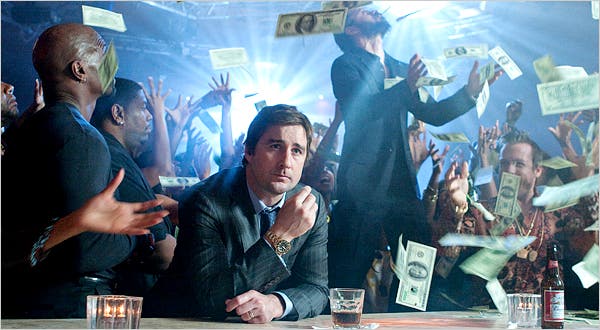
Jack Harris is the lone reasonable man in a room full of chaos, and Wilson’s sardonic voiceover is what holds this Goodfellas-adjacent crime story together. Jack stumbles into the early internet adult billing business and spends the film narrating his own increasingly baffled descent with a dry exasperation that keeps the movie watchable even when the plot gets messy. The voiceover isn’t just exposition; Wilson delivers it with the weary tone of someone who knew better and did it anyway, and the best lines land because he sounds genuinely annoyed at himself rather than charmed by his own roguishness. That specific quality — self-aware irritation rather than swagger — is what makes Jack stick with you long after the credits roll.
8. Zombieland: Double Tap (2019)
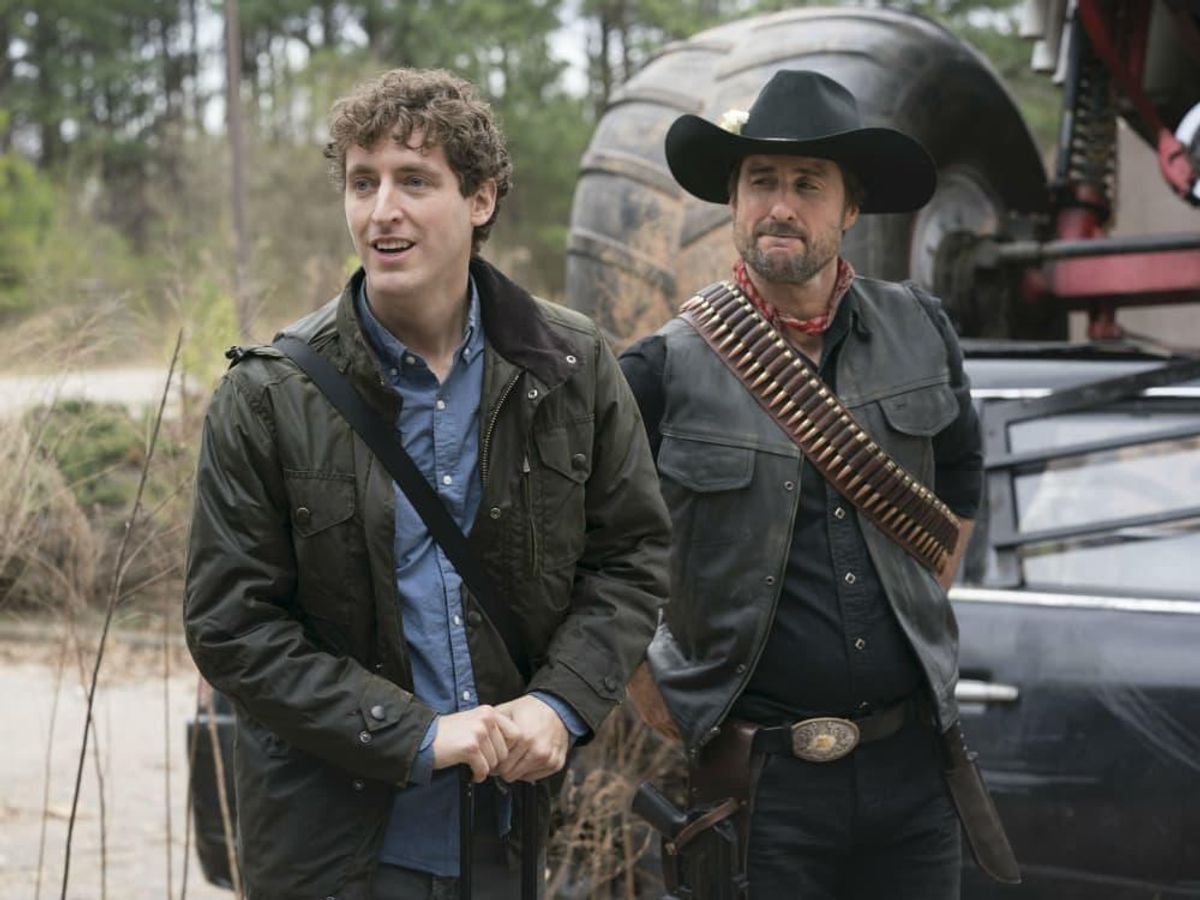
Albuquerque is essentially Tallahassee if Tallahassee had absolutely zero self-awareness, and the joke only lands because Wilson commits to the bit without blinking. He swaggers into the sequel as Woody Harrelson’s funhouse-mirror double: same bluster, same cowboy energy, zero of the self-knowledge. The sequence where the two of them circle each other, refusing to admit they’re the same person, is the funniest stretch of the entire franchise. Wilson’s comic timing in that scene is precise: he plays Albuquerque’s obliviousness so completely that every line reading hits harder than it should. The film crossed $122 million worldwide, and this supporting turn is a big reason audiences left the theater happy.
7. The Family Stone (2005)
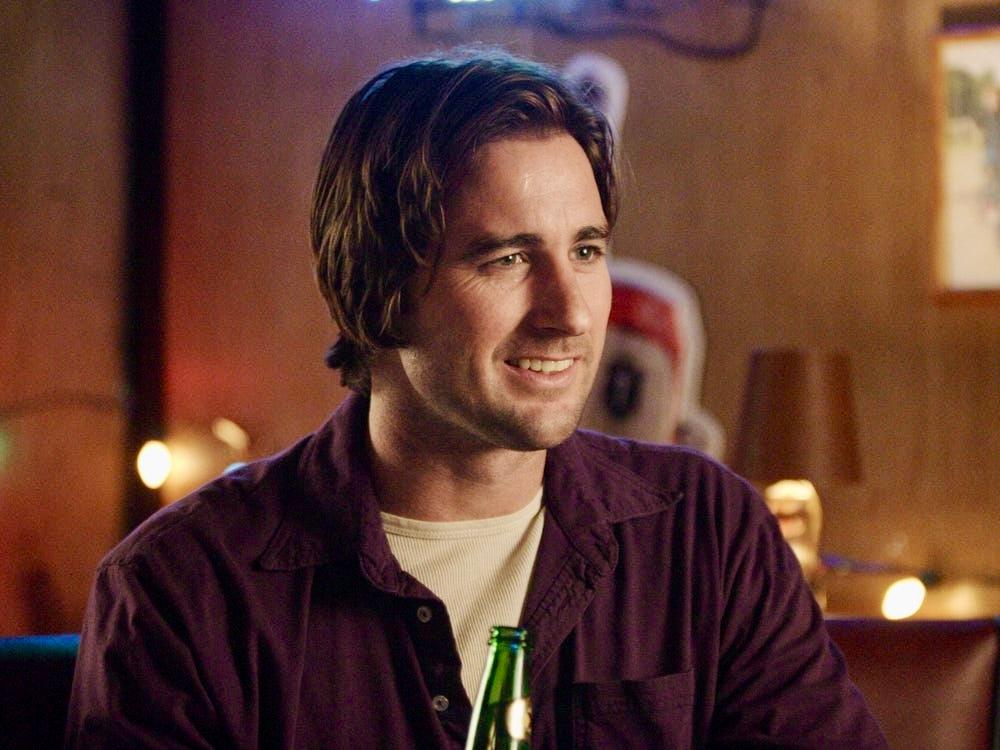
Ben Stone is the easiest person to be around in a movie full of people who are very difficult to be around, and Wilson plays that quality with a natural warmth that never feels calculated. While the Stone family puts Sarah Jessica Parker’s Meredith through an increasingly uncomfortable holiday weekend, Ben is the one who actually sees her, and the scenes where he quietly makes space for her are the film’s most genuinely romantic moments. Wilson’s chemistry with Parker is relaxed and real, built on small gestures rather than big declarations. The film earned over $92 million and found a devoted audience, and Ben Stone is a big part of why it holds up as more than just a holiday ensemble picture.
6. Vacancy (2007)
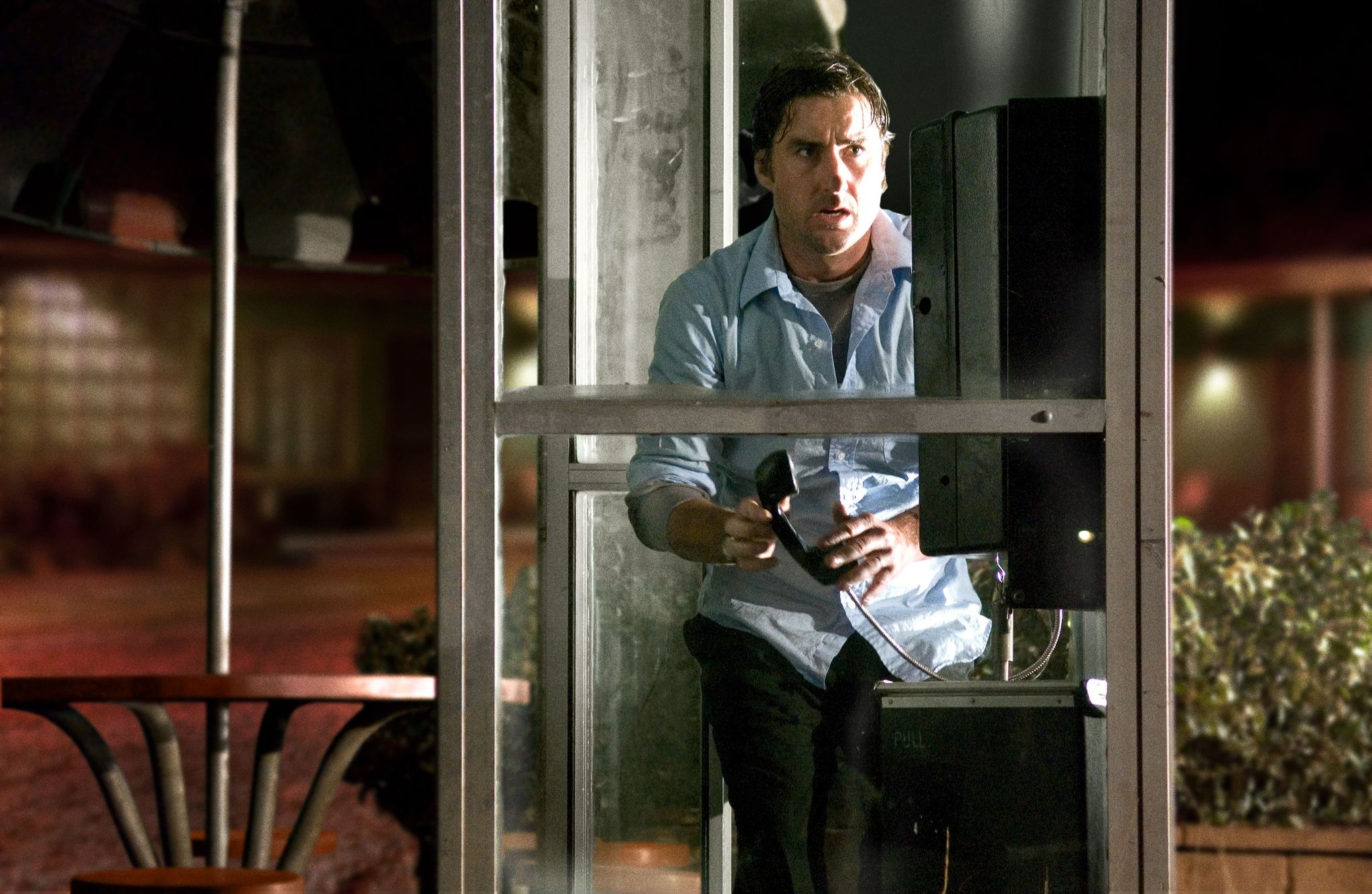
David Fox is already losing his marriage when the film starts, and Wilson carries that weight into every scene before the horror even begins. The opening stretch of Vacancy, where David and his wife Amy (Kate Beckinsale) sit in near-silence in a broken-down car, is a small acting showcase: Wilson plays the exhaustion of a relationship on its last legs with a specificity that most thriller leads never bother with. When the danger arrives, that emotional groundwork pays off: the survival stakes feel real because the relationship feels real. It’s his sharpest genre performance of that era, and proof that Wilson could anchor a genuine thriller on dramatic credibility alone, not just audience goodwill.
5. Bottle Rocket (1996)
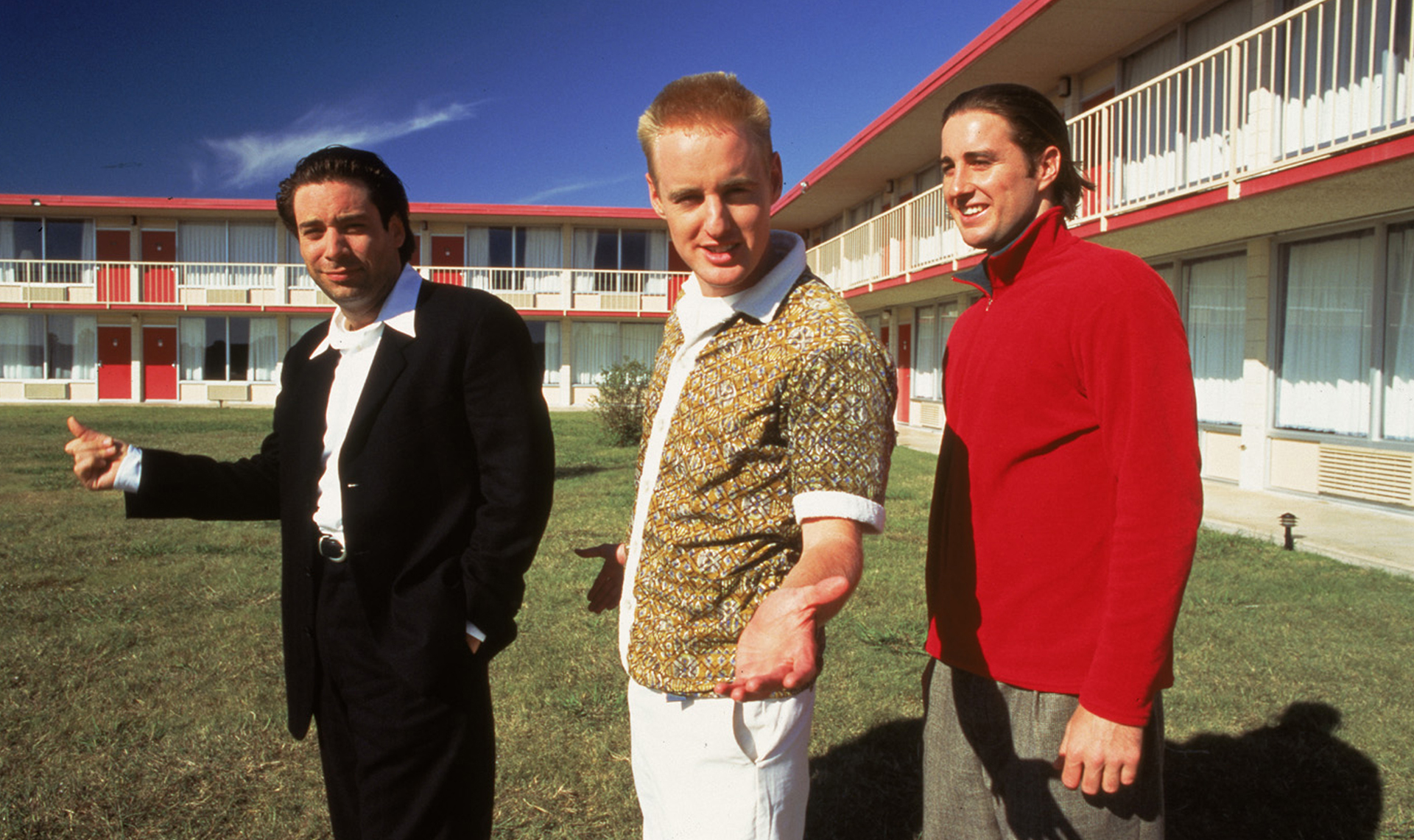
Anthony Adams is where everything started, and watching this performance now, it’s easy to see why Wes Anderson and the Wilson brothers became inseparable. Anthony is a gentle, sincere dreamer who believes in his friends’ ridiculous heist schemes with a sweetness that never once feels forced. There’s a scene where he falls quietly in love with a hotel housekeeper, and Wilson plays the whole thing with such unguarded openness that it becomes the emotional heart of a movie ostensibly about amateur criminals. The film became a certified cult classic and the origin point of an entire filmmaking universe, and Anthony’s soft-spoken earnestness set the template for the kind of characters Wilson would spend the next decade perfecting.
4. Legally Blonde (2001)
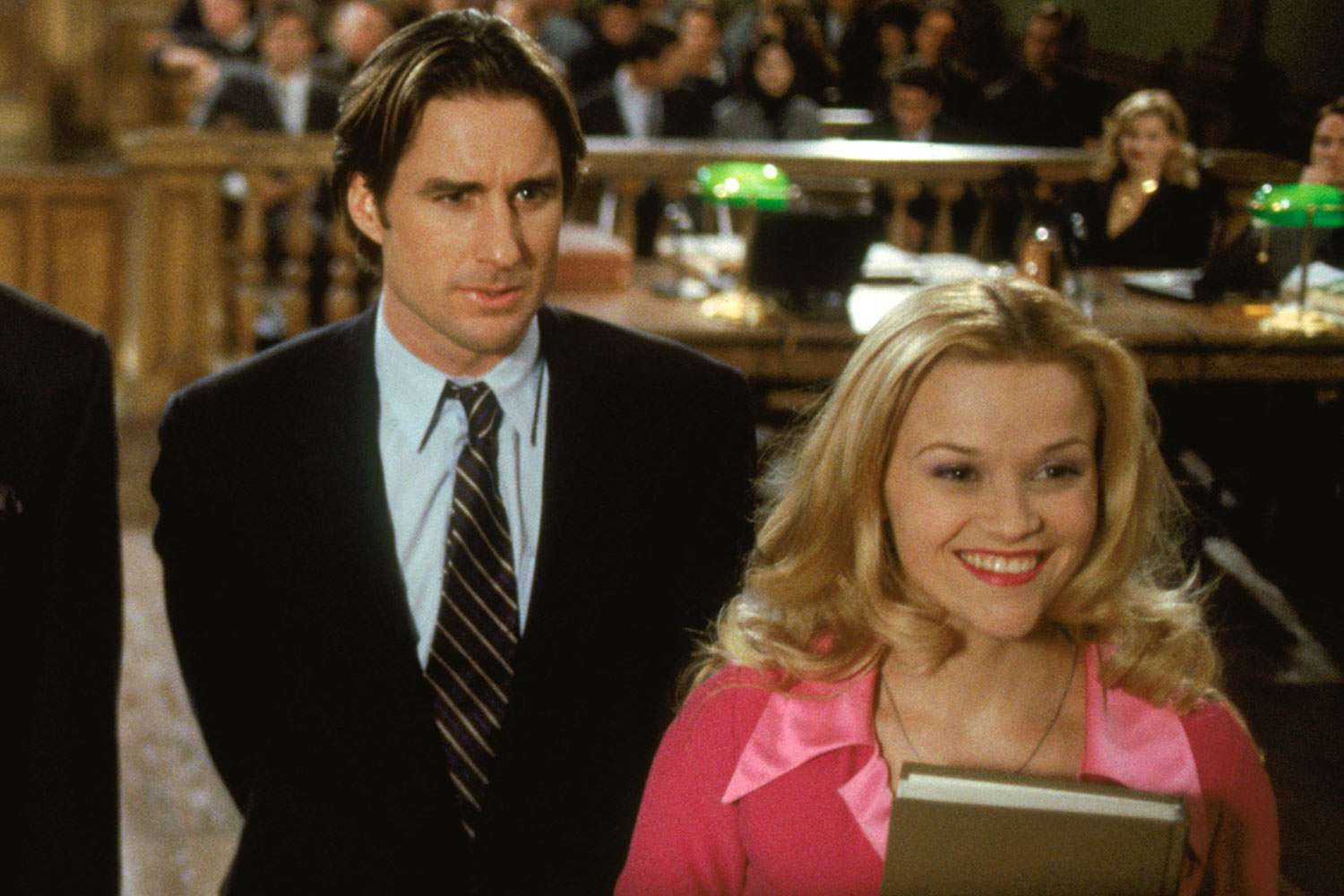
Emmett Richmond is the best love interest in any early-2000s comedy, and that’s a real argument. Wilson plays him with a warm, understated decency that grounds Emmett as an actual person rather than a plot function: he believes in Elle Woods (Reese Witherspoon) before it’s convenient or obvious, and Wilson delivers that belief with a quiet consistency that renders the eventual romance completely earned. The moment where Emmett watches Elle hold her own in court and his expression shifts from mentor to something more is a small, perfectly calibrated beat. The film grossed over $141 million and became a genuine cultural institution, and Wilson’s steady, generous presence is a significant reason audiences trusted the whole story enough to go along for the ride.
3. Old School (2003)
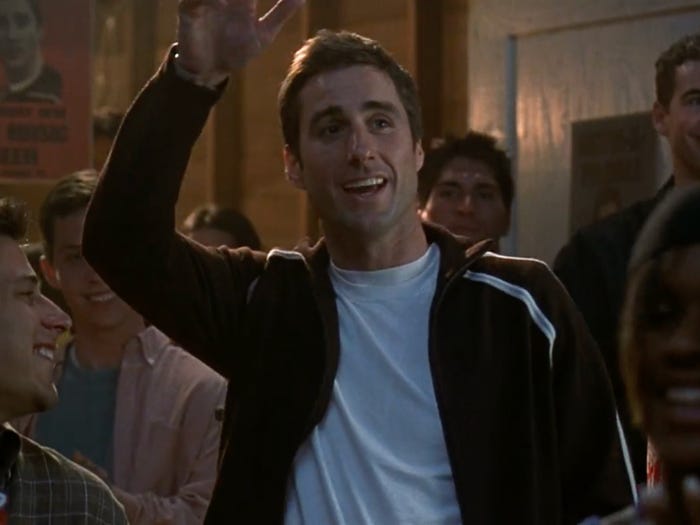
Mitch Martin doesn’t want to start a fraternity. That reluctance is the whole joke, and Wilson plays it with a grounded exasperation that keeps the film from spinning into pure chaos. As the straight man surrounded by Will Ferrell’s Frank the Tank and Vince Vaughn’s Beanie, Mitch is the audience’s entry point: the guy who keeps asking reasonable questions while everything around him gets increasingly unreasonable. There’s a scene where Mitch stands in his backyard watching a party he never wanted materialize around him, looking like a man watching his life happen to him, and it’s Wilson’s best physical comedy moment in the film. Old School grossed $87 million and became a defining comedy of the decade, and Mitch’s reluctant-everyman energy is the anchor that makes all the bigger performances around him work.
2. The Royal Tenenbaums (2001)
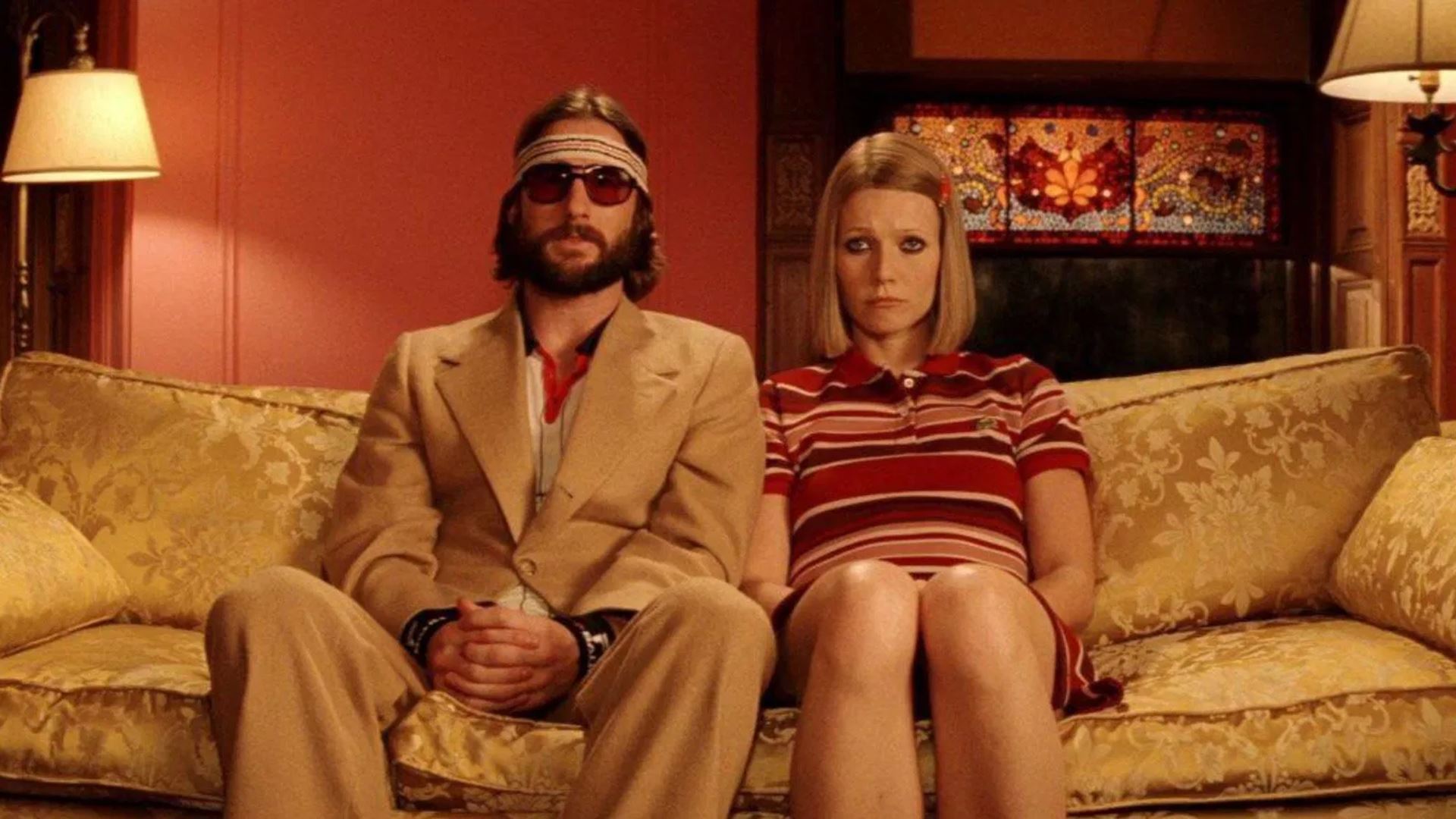
Richie Tenenbaum doesn’t say much, and that’s the whole performance. Wilson plays the fallen tennis prodigy as a man who has folded his heartbreak so neatly inside himself that it barely shows, until it does, in the bathroom scene that arrives like a gut punch and confirms that Wilson was doing something remarkable in this film all along. The headband, the sunglasses, the stillness: Richie carries a secret love that Wilson communicates almost entirely through what he doesn’t do, which is a harder trick than it sounds in a Wes Anderson ensemble full of actors doing very deliberate, very specific things. Alongside Gene Hackman, Gwyneth Paltrow, and Ben Stiller, Wilson holds his own completely, and Richie remains the emotional center of Anderson’s most beloved film.
1. Idiocracy (2006)
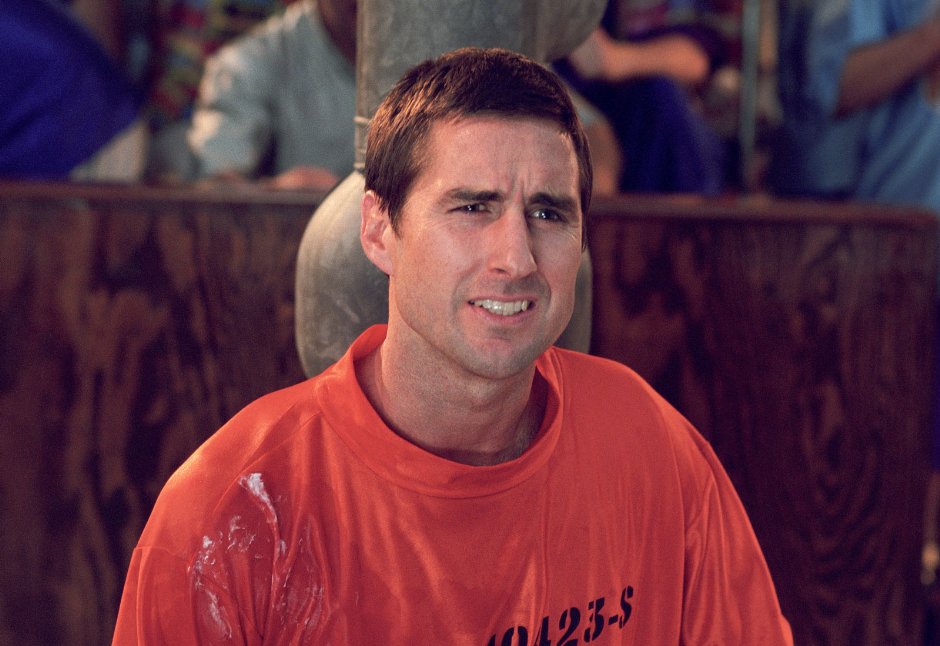
Joe Bauers is one of Luke Wilson’s most recognizable roles, and for good reason. Idiocracy asks Wilson to play the most average man alive, dropped into a future where average is incomprehensibly brilliant, and the whole satire lives or dies on whether his deadpan bewilderment feels real. It does. Joe’s slow-burning exasperation, the way Wilson registers each new absurdity with the expression of a man who has stopped being surprised but hasn’t stopped being exhausted, gives the film its satirical teeth. The movie bombed on release in 2006 but grew into something rare: a comedy that gets more culturally resonant with every passing year, quoted constantly and referenced whenever American public life takes a particularly bleak turn. That kind of staying power doesn’t happen without a performance audiences actually connect with, and Wilson’s Joe Bauers is exactly that.
Luke Wilson has always worked best as the calm eye of someone else’s storm, and his career is full of films that are better because he’s in them, even when he’s not the loudest person on screen. He brought that same quality to TV: as Casey Kelso on That ’70s Show, Levi Callow in HBO’s underseen Enlightened, and Pat Dugan in Stargirl. The through line is a performer who makes restraint look easy, and nowhere is that clearer than the moment Joe stares blankly at a Brawndo commercial and just slowly blinks, saying everything without saying a word.

Written by Miranda Davies
Film & TV Enthusiast
Hi, my name is Miranda Davies, and I’ve loved film and television all of my life. Some of my earliest memories involve me and family or friends catching the latest movies, or reclining on the couch to catch some awesome television, and I want to share that passion with fellow fans like you! The best way to celebrate film and television is to chat about it with people as equally passionate as you, so this website will be dedicated to being a hub for those that want to chat about their obsessions in a safe and welcoming environment that is fun to visit!
More about the author