
Top 15 Ethan Hawke Movies, Ranked
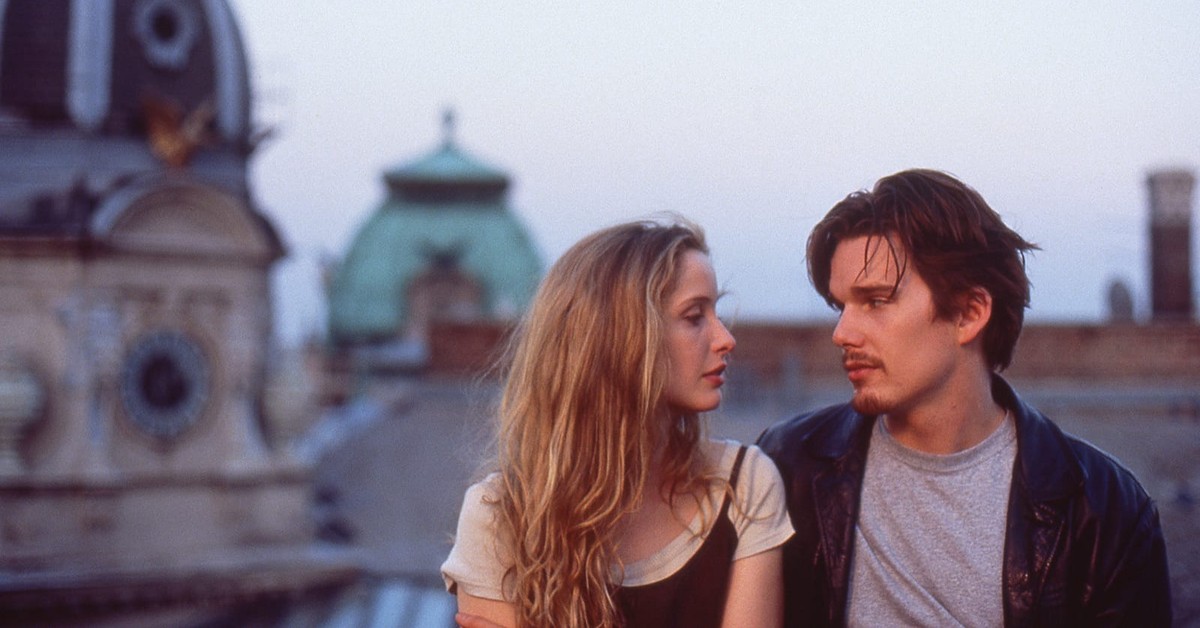
What happens when an actor spends three decades refusing to coast on charm alone? You get a filmography as restless and unpredictable as Ethan Hawke’s. From Gen X slacker icon to spiritual crisis vessel to masked horror villain, he keeps finding roles that demand something real from him, and he keeps delivering. At TV Hulk, we ranked these performances by how completely they pulled us in: the moments we couldn’t look away, the characters we kept thinking about after the credits rolled, and the times Hawke disappeared so fully into a role that the performance felt less like acting and more like living.
15. Maudie (2016)
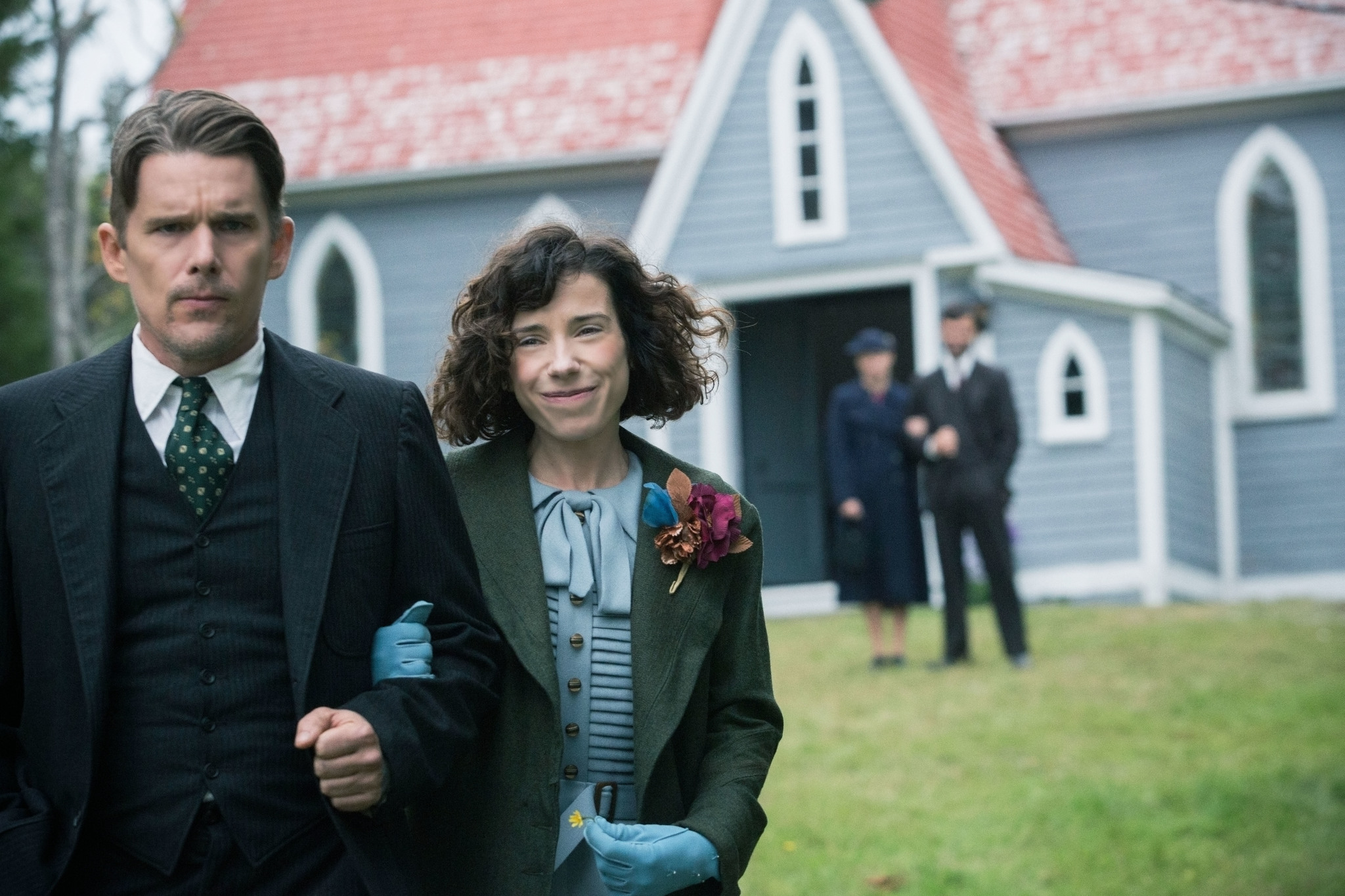
Everett Lewis is not an easy man to like, and Hawke doesn’t try to make him one. He plays this gruff, emotionally withholding fish peddler with a clenched physicality — hunched shoulders and clipped speech that signal a man who has never once let anyone close. What makes the performance so quietly effective is watching those walls come down in increments so small you almost miss them. A softened glance here, a moment of hesitation before he speaks harshly. His chemistry with Sally Hawkins is the engine that keeps this Canadian sleeper running, and the scene where Everett finally, wordlessly acknowledges how much Maudie means to him lands harder than any declaration of love could. This is one of the most overlooked performances of his career.
14. Before the Devil Knows You’re Dead (2007)
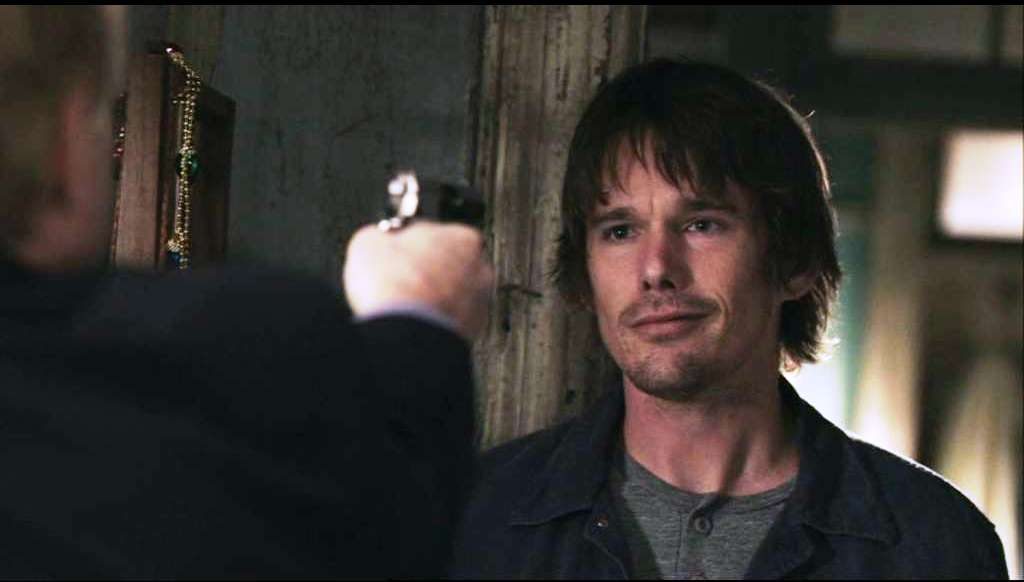
Hank Hanson is a coward, and Hawke commits to that fully. In Sidney Lumet’s final film, a pressure-cooker crime drama about two brothers who rob their parents’ jewelry store with catastrophic results, Hank is the weak link in every possible sense: financially desperate, morally spineless, and completely unable to stop the avalanche he helped start. There’s a scene where Hank tries to explain himself to his father, stammering and deflecting while knowing his brother is somewhere he can’t escape, that works as a portrait of a man who has always lived in someone else’s shadow. Hawke keeps Hank’s voice just slightly too loud, like someone performing calm, and that one physical tell makes his eventual unraveling so genuinely painful to watch.
13. Alive (1993)
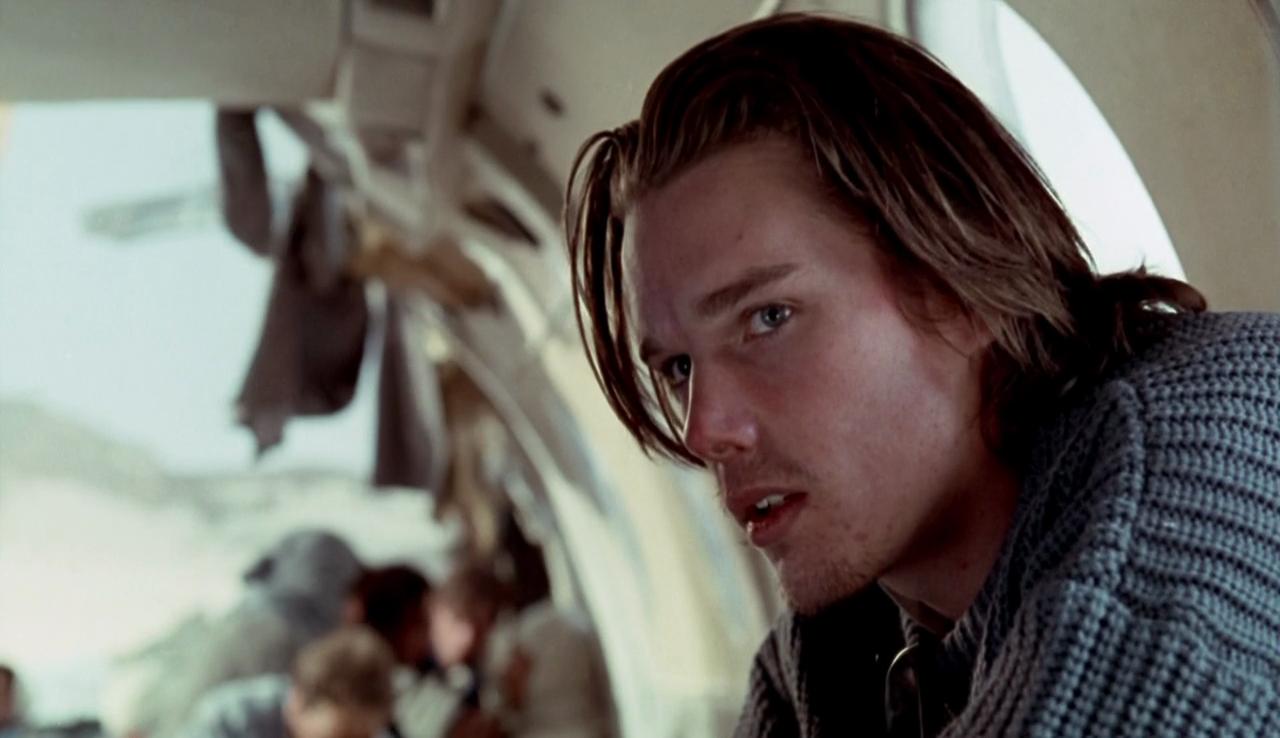
Nando Parrado doesn’t give speeches. He just survives. Playing the real-life Uruguayan rugby player who became the driving force behind the survivors of the 1972 Andes plane crash, Hawke took on a physically brutal role that pushed well past the sensitive-teen image he’d built in Dead Poets Society. What’s striking about his work here is how he communicates Nando’s determination through sheer physical presence: the hollow eyes, the deliberate movement across snow-covered terrain, the way he carries exhaustion in his whole body rather than just his face. It’s an early performance that pointed toward an actor who was never going to settle for the easy roles.
12. Born to Be Blue (2015)
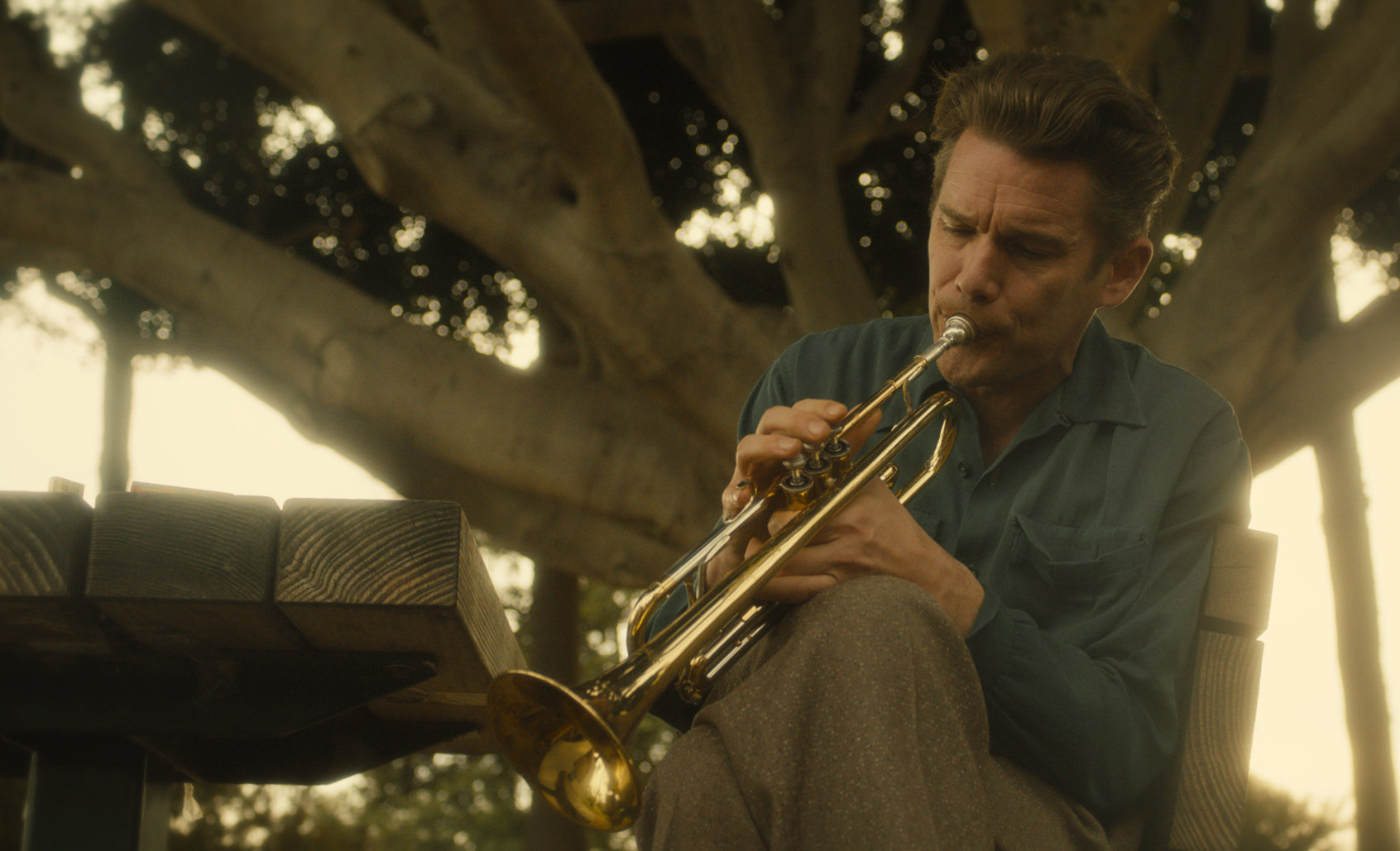
Hawke sinks into Chet Baker so completely that it’s almost uncomfortable to watch. The sunken cheeks, the damaged charisma, the way he holds a trumpet even when his hands aren’t entirely steady — every physical choice signals a man burning through his own talent at an unsustainable rate. The film takes a semi-fictionalized approach to Baker’s life, but Ethan grounds it in something that feels emotionally true, especially in the scenes where Chet is performing and you can see both the genius and the self-destruction operating simultaneously. That quiet, crumbling trumpet scene near the end — where he’s fighting his own body just to play a single phrase cleanly — is the kind of specific, lived-in acting that deserved a much wider audience than its limited indie release gave it.
11. Predestination (2014)
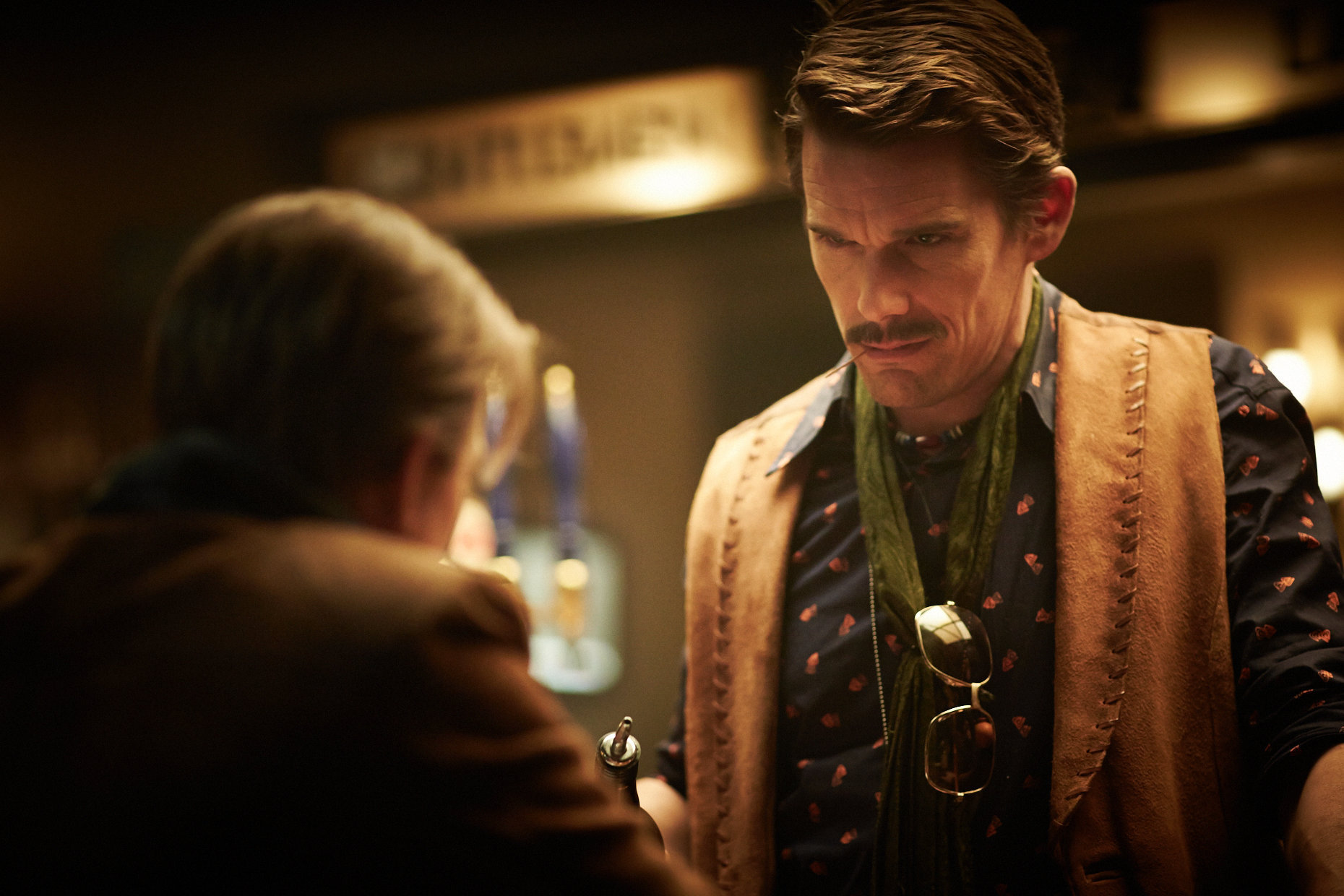
The Bartender doesn’t say much about himself at first, and Hawke plays that inscrutability with a careful, melancholy stillness that makes you lean forward. This Australian sci-fi thriller, based on a Robert Heinlein story, builds one of the most truly mind-bending time-loop narratives the genre has produced. Ethan navigates its labyrinthine structure with a quiet authority that keeps the film from collapsing under its own complexity. The moment late in the film where his character finally understands the full shape of what he is and what he’s done, and registers it with barely a word, is the kind of acting that rewards a second viewing. When that recognition lands, Hawke lets it settle across his face in near-silence, and somehow that restraint hits harder than any outburst could.
10. Sinister (2012)
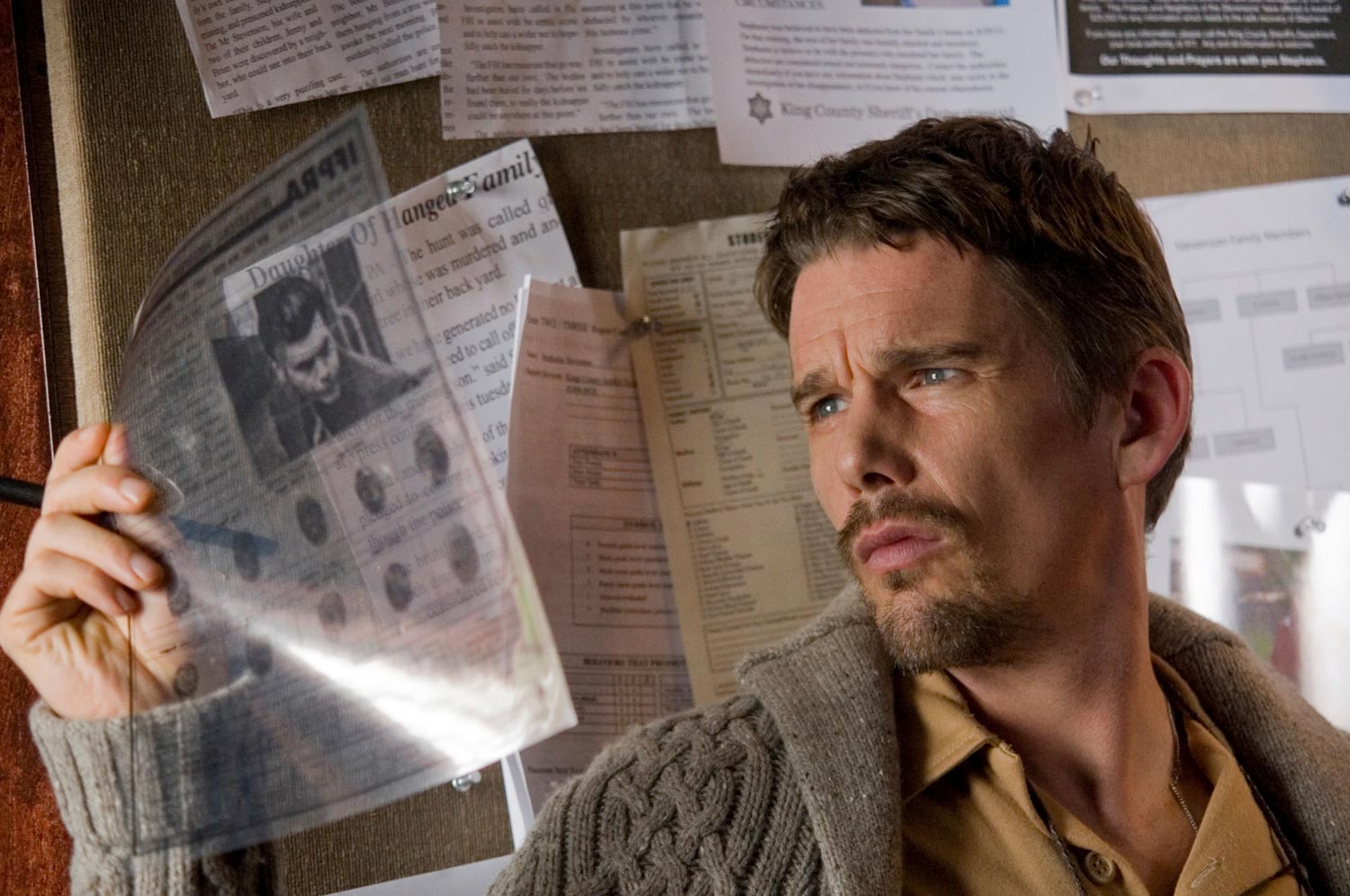
Ellison Oswalt is not a hero. He’s a true-crime writer who moves his family into a murder house because it’s good for his book, and Hawke plays him with just enough self-awareness to make the character’s terrible decisions feel frustratingly believable. The performance works because Ethan keeps Ellison grounded in recognizable human weakness: ego, financial pressure, the desperate need to recapture past success. The scene where he sits alone in the dark watching disturbing Super 8 footage, and you watch his face react with dawning horror, is where the film locks in. Sinister grossed nearly $88 million on a $3 million budget, and Hawke’s credible, un-actorly presence is a big reason it worked as well as it did.
9. Blue Moon (2025)
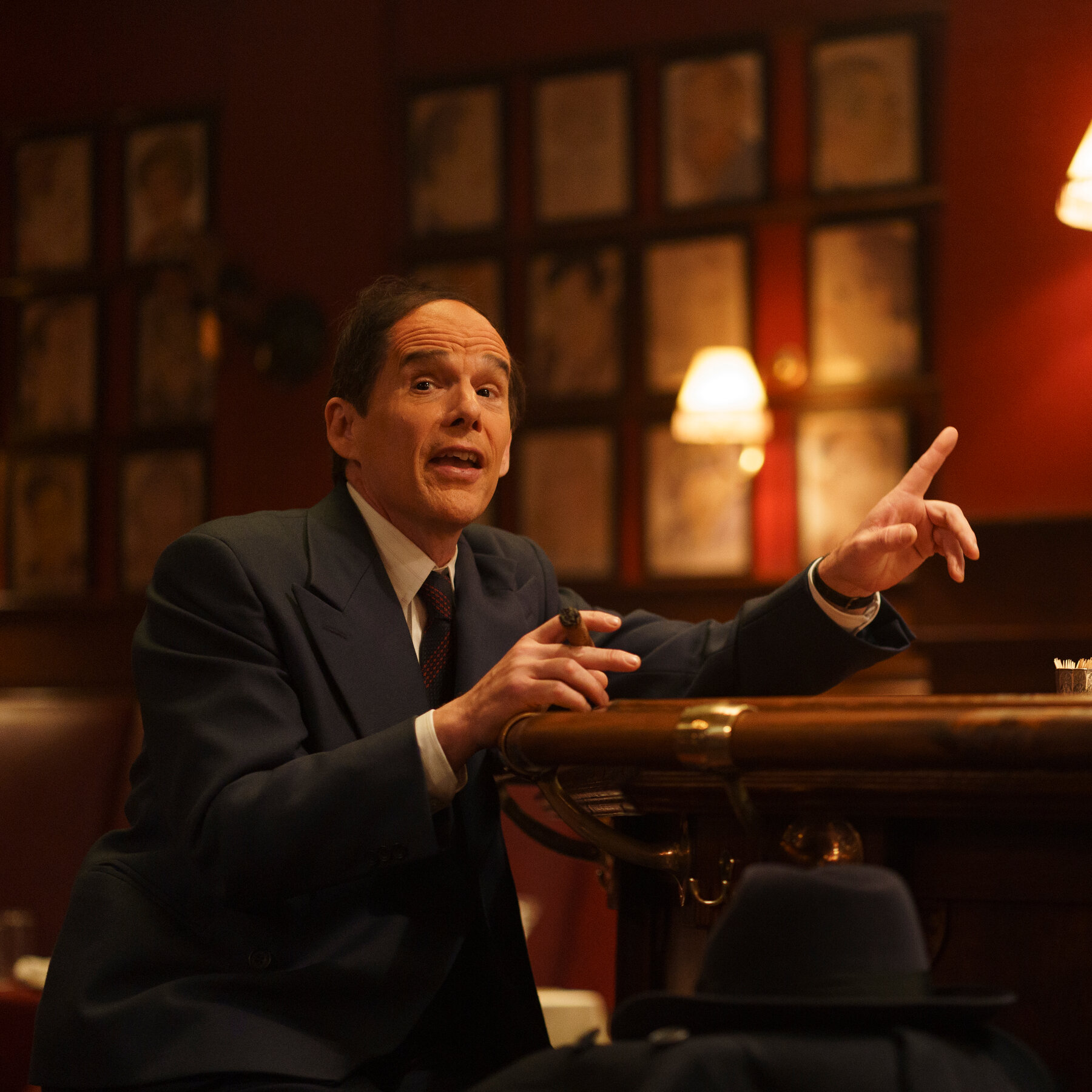
Lorenz Hart is already dying when we meet him. Hawke plays the legendary lyricist on what turns out to be his last night out, witty and wounded and drinking with the focused determination of someone who has made peace with self-destruction. The performance is built on contradiction: Hart is the funniest person in any room and also the saddest, brilliant enough to know exactly what he’s losing and too far gone to stop it. In one scene, Ethan delivers a Hart lyric as casual conversation, and the gap between the beauty of the words and the wreckage of the man saying them is devastating — the wit landing perfectly even as everything underneath it is coming apart.
8. The Black Phone (2021)
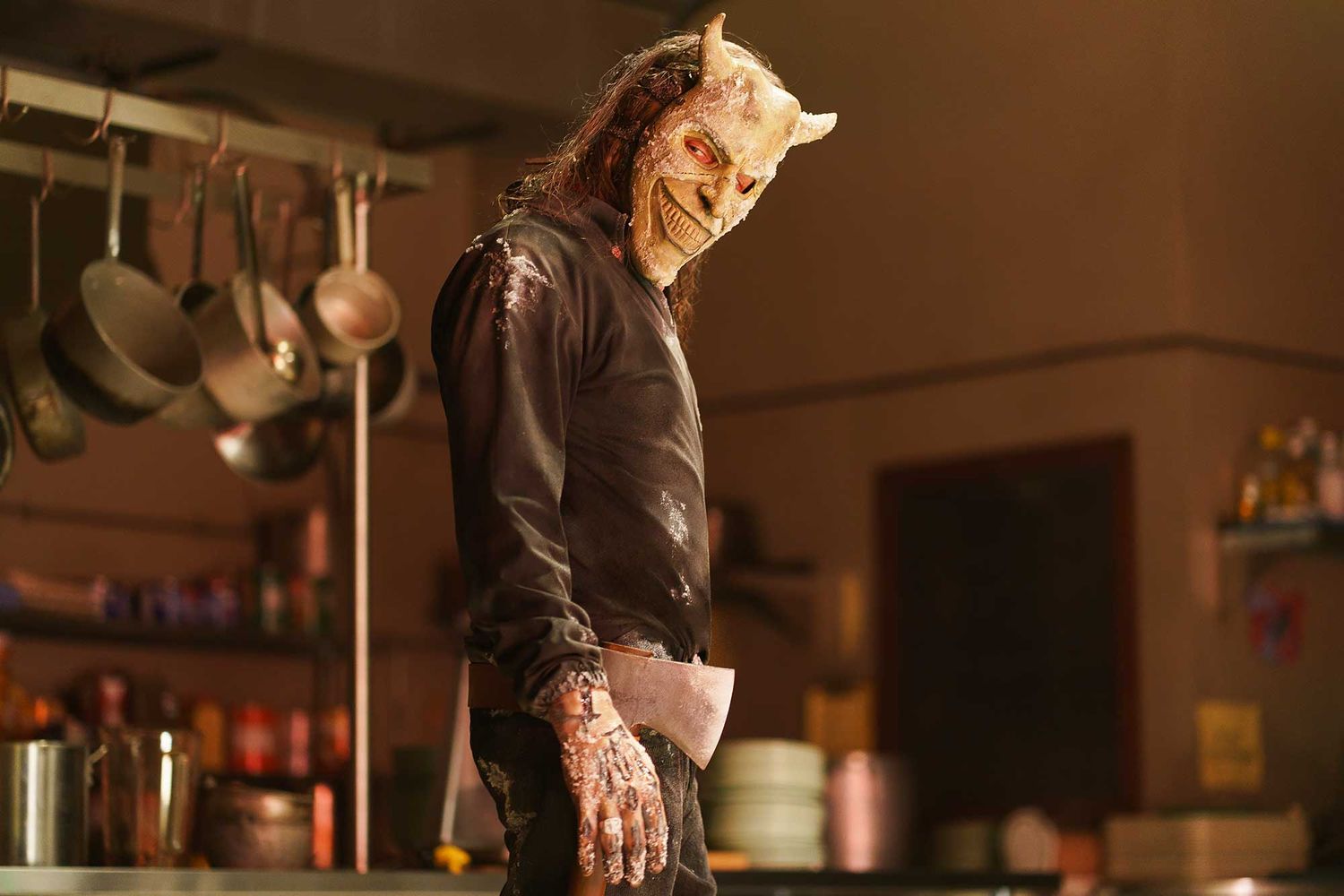
You never see his whole face. The Grabber operates behind a rotating series of grotesque masks, which means Hawke had to build an entire villain out of body language, vocal shifts, and the specific menace of a man who is almost charming before he isn’t. He makes the character impossible to anticipate in a way that goes beyond standard horror-movie evil. There are moments where the Grabber seems almost confused by his own impulses, and that instability is scarier than any amount of snarling. The film drove to $161 million worldwide and introduced Ethan to a whole new generation of moviegoers who had no idea the guy from Before Sunrise could make them sleep with the lights on.
7. Reality Bites (1994)
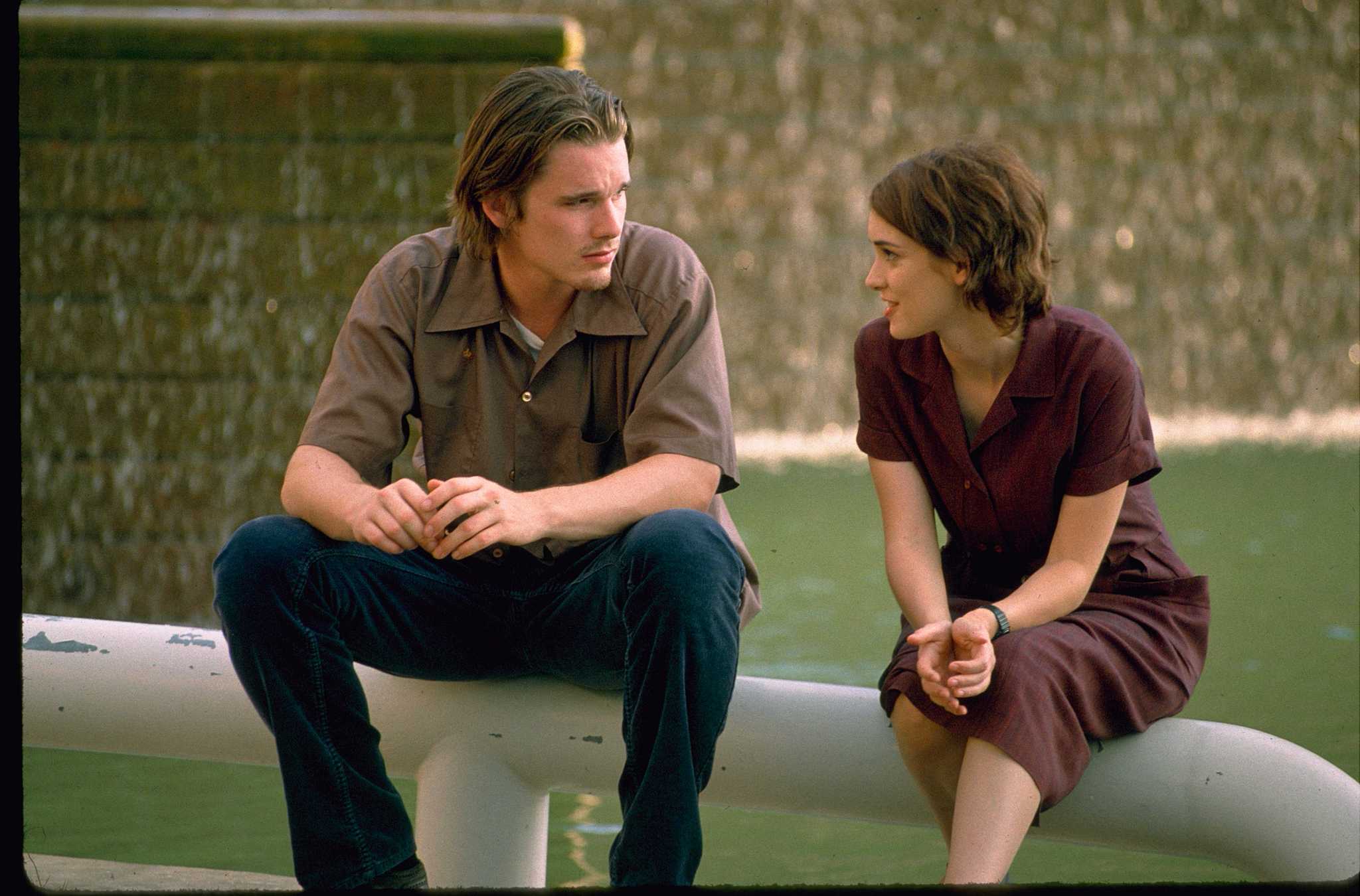
Troy Dyer is the guy you know you shouldn’t fall for and fall for anyway. Hawke plays him with a sneering, self-aware intelligence that somehow never tips into pure insufferability, and the trick is that Troy knows exactly how he comes across and uses it as armor. The scene where he and Lelaina (Winona Ryder) dance together in a convenience store to “My Sharona” is one of the most purely charming moments of 1990s cinema, and Ethan sells it without a trace of effort. Troy became a genuine cultural touchstone for Gen X, the flannel-wearing, Sartre-quoting romantic who made slacking look like a philosophical position. The debate over Troy versus Michael still gets relitigated in comment sections, which is a pretty remarkable legacy for a 30-year-old movie.
6. Dead Poets Society (1989)
Todd Anderson barely speaks for the first two-thirds of the film, and that silence is the performance. Hawke plays this painfully shy, self-doubting prep school student as someone who has been told so many times that he has nothing worth saying that he’s started to believe it. The desk-standing finale, where Todd finally breaks open and recites poetry in front of his classmates with tears streaming down his face, is the emotional payoff the whole film builds toward, and Ethan earns every second of it. Dead Poets Society became a generational touchstone that still moves audiences more than 35 years later, and its staying power is impossible to argue with. It was also the role that introduced Hawke to the world, and he made it count.
5. Gattaca (1997)
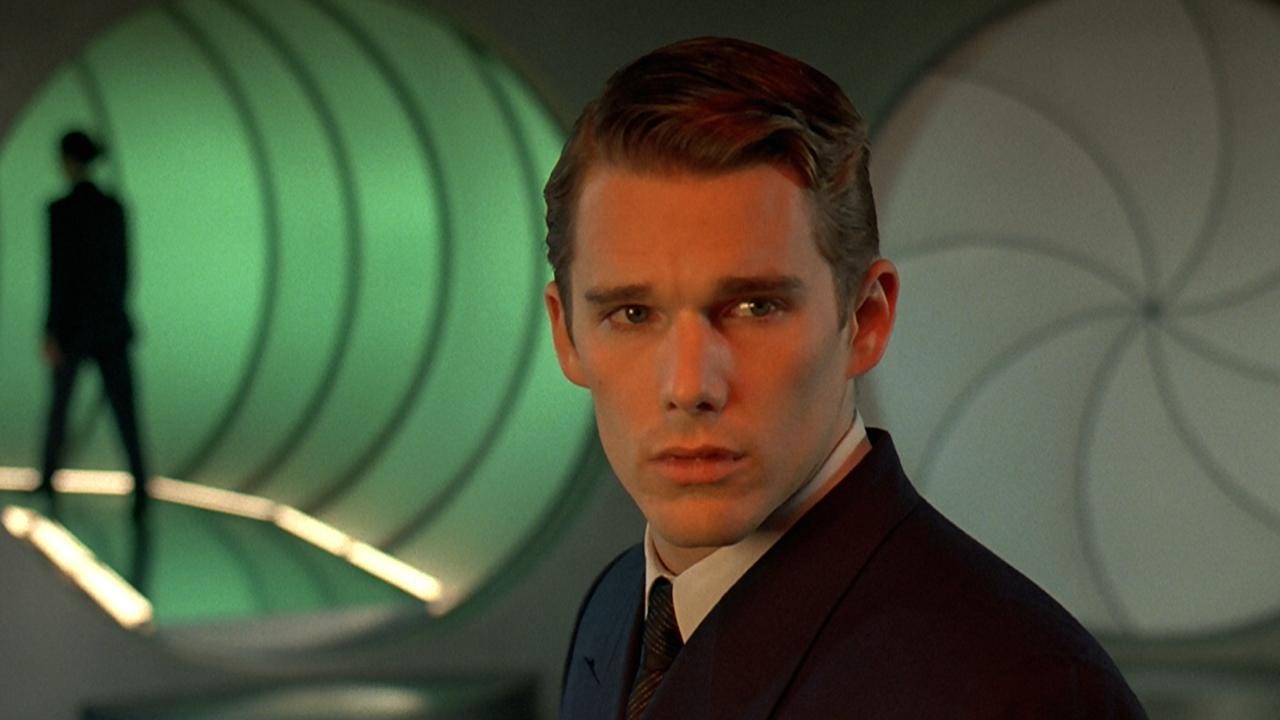
Vincent Freeman is running a con so elaborate it requires him to scrub his own skin cells off every surface he touches, and Hawke plays the whole performance on a knife’s edge between iron-willed determination and barely suppressed terror. The film’s central idea, that genetic destiny is just another cage to escape, lands because Ethan makes Vincent’s refusal feel personal rather than ideological. There are moments throughout where Vincent’s defiance comes through with pure, unadorned conviction, stripped of any heroic posturing, and Hawke never lets the determination tip over into self-congratulation. Decades of classroom screenings and cultural references have cemented Gattaca as a sci-fi landmark, and Vincent Freeman is the performance at the center of all of it.
4. First Reformed (2018)
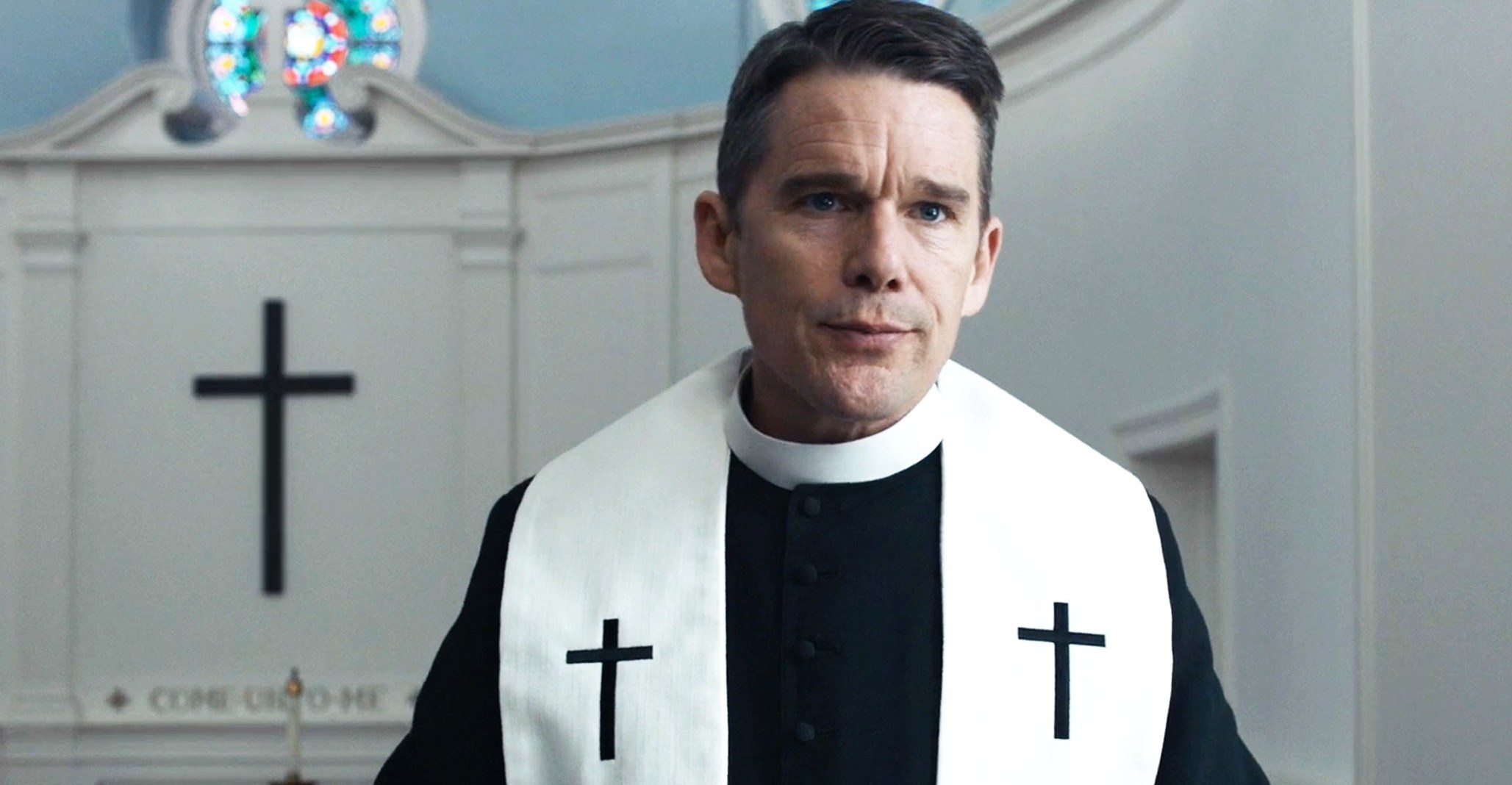
Reverend Ernst Toller writes in a journal he plans to destroy. He drinks whiskey alone. He wraps himself in plastic wrap and lies on the floor. Paul Schrader’s film is a slow, deliberate descent into spiritual crisis, and Hawke carries nearly every frame of it on his shoulders, often with almost no dialogue to work with. The performance operates almost entirely through stillness and interiority. Toller’s anguish is visible in the set of his jaw, the way he moves through his empty church, the precise moment his faith stops being a comfort and becomes an accusation. Hawke earned an Oscar nomination for this role, and it reminded everyone that he was operating at a level most actors never reach.
3. Training Day (2001)
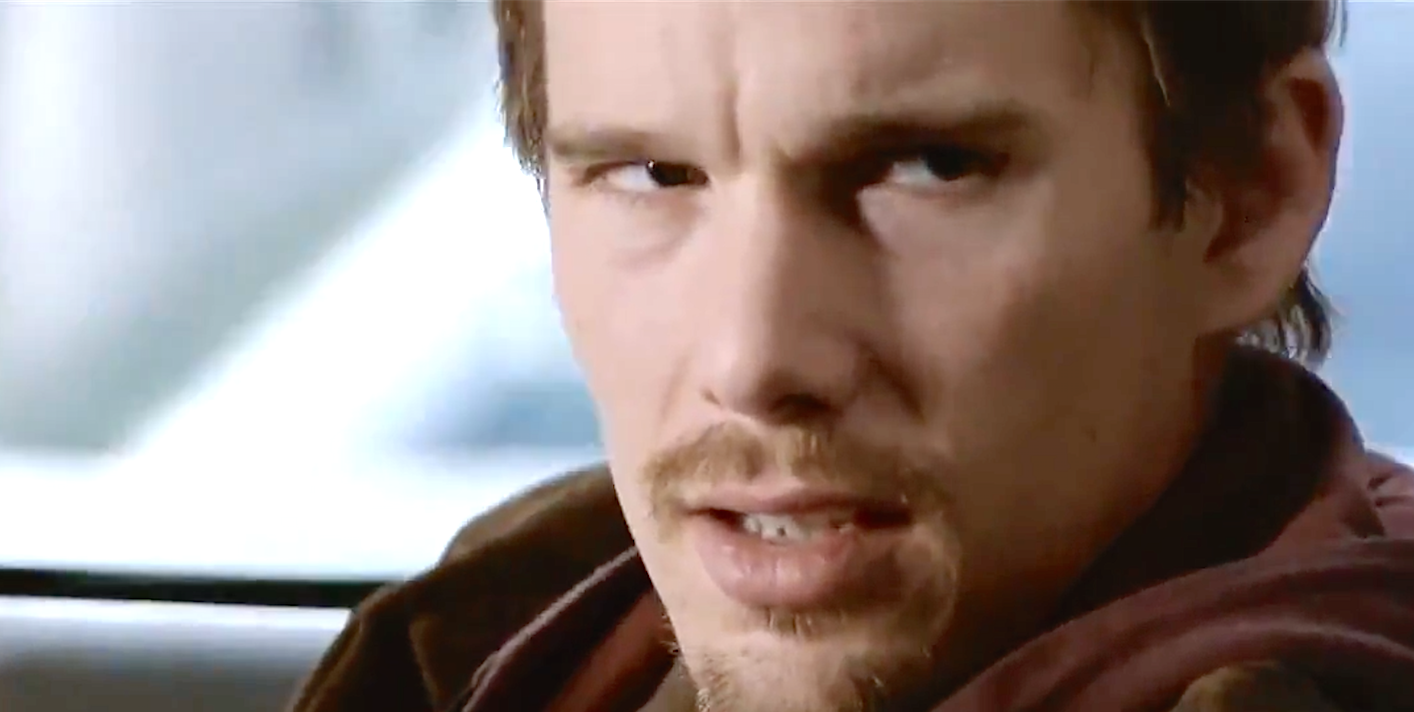
Jake Hoyt spends most of Training Day trying to keep up, and that’s the whole performance. Hawke plays this idealistic rookie narcotics officer as someone whose moral compass is functioning perfectly in a situation specifically designed to destroy it. Watching Denzel Washington’s Alonzo systematically dismantle Jake’s certainties is one of the most electrifying dynamics the crime genre produced in the 2000s. The scene where Jake is forced to smoke PCP in a car, and has to decide in real time whether this is a test or a crime, is where the film’s tension becomes almost unbearable, and Hawke’s face does everything. He earned an Oscar nomination for Best Supporting Actor, and the performance holds up as a study in reactive acting: how to be compelling while playing the person things are happening to.
2. Boyhood (2014)
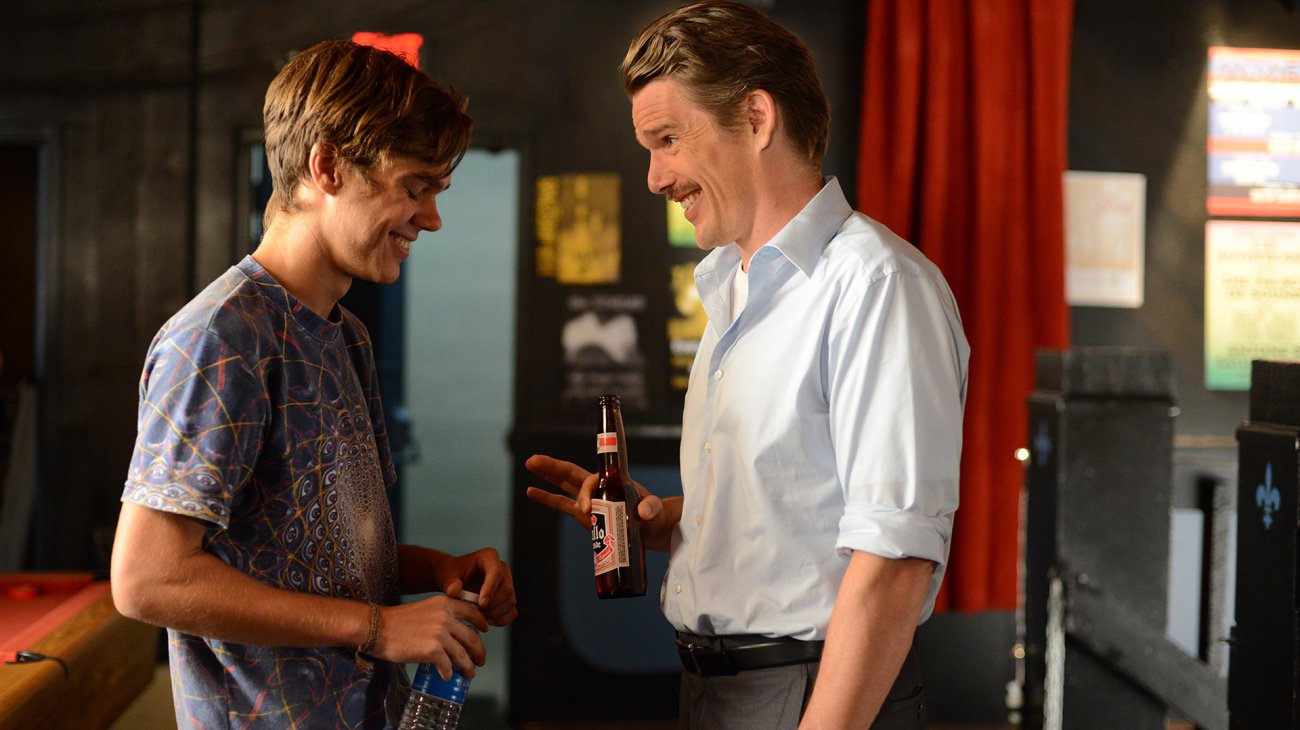
Mason Evans Sr. shows up in his kids’ lives with a cool car and big ideas, and for a while you’re not sure if he’s going to be the movie’s hero or its cautionary tale. Hawke plays him across the film’s multi-year production, and the genius of the performance is watching Mason Sr. grow up alongside his son in ways that feel completely unforced. The early scenes, where he’s all enthusiasm and no follow-through, give way to something more grounded: a man who figured out, slowly and imperfectly, how to be present. It all pays off in the quiet late scene where Mason Sr. talks about life not being a series of milestones — Hawke delivers it like a guy who actually had to learn that the hard way.
1. The Before Trilogy (1995–2013)
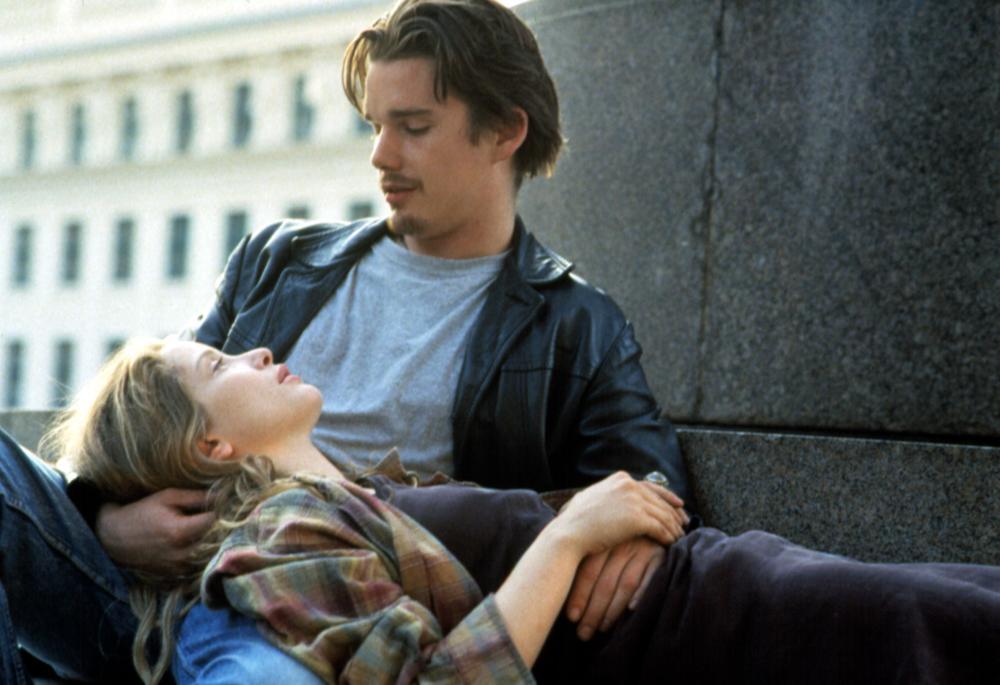
Jesse is a romantic who talks too much and means every word, and Hawke has been playing him across three films and 18 years with a consistency that feels less like acting and more like a parallel life. In Before Sunrise, he’s young and certain that one night in Vienna with a stranger can mean everything. In Before Sunset, he’s older, standing in a Paris apartment carrying the quiet weight of realizing he never stopped thinking about her. In Before Midnight, he’s further into middle age, fighting in a hotel room about all the ways love is harder than the movies make it look. The trilogy grows with its audience in a way almost no other series has managed, and Hawke collaborated on the screenplays with Linklater and Julie Delpy. The scene where Jesse listens to Nina Simone and wordlessly understands he’s not getting on that plane is as close to perfect as movies get.
Ethan Hawke has never really settled into a lane, and at this point it’s clear he never will. His television work follows the same restless logic: he starred in the miniseries The Good Lord Bird, appeared in the Marvel series Moon Knight, and turned up in an adaptation of Moby Dick somewhere in between. The throughline across all of it is an actor who keeps choosing the harder version of every role.

Written by Miranda Davies
Film & TV Enthusiast
Hi, my name is Miranda Davies, and I’ve loved film and television all of my life. Some of my earliest memories involve me and family or friends catching the latest movies, or reclining on the couch to catch some awesome television, and I want to share that passion with fellow fans like you! The best way to celebrate film and television is to chat about it with people as equally passionate as you, so this website will be dedicated to being a hub for those that want to chat about their obsessions in a safe and welcoming environment that is fun to visit!
More about the author